Bucharest doesn't have one nightlife scene; it has four or five that rarely overlap. A pub crawl in the Old Town, cocktails on Calea Victoriei and a table at a club in the north are three different evenings, with different prices, crowds and ways of getting home. So this guide goes area by area, because in practice where you sleep decides what your night looks like. It also covers the things a map won't tell you: getting in from the airport, paying, getting back at 3am, and the tricks aimed at people who don't know the city.

Bucharest nightlife areas: how the city is laid out
Bucharest is flat and spread out, and the city centre is smaller than the map suggests. Almost everything that matters after dark sits on one north–south line: from Piața Victoriei down Calea Victoriei to the Old Town and on to Piața Unirii. You can walk it end to end in about forty minutes.
Everything else — the expensive north around Herăstrău Park, the residential south — sits off that line, and you drive there rather than walk. Knowing this before you book a room saves you a taxi every night.
From the airport into town
Henri Coandă airport (OTP) is about 17 kilometres north of the city centre. Bus 100 leaves the arrivals terminal roughly every fifteen minutes and takes around forty minutes; a journey on the city network costs 3 lei, and you can tap a contactless bank card on board. There is also a train from the airport station to Gara de Nord, the main railway station: 20 to 25 minutes, 6.50 lei if you buy the ticket before boarding, 13 lei from the conductor (CFR Călători, 2 October 2026).
With luggage or after a late flight, a car booked through an app is simpler, and the price is fixed before you get in. Ignore drivers who approach you in the arrivals hall: the UK Foreign Office notes that taxi drivers sometimes overcharge foreign visitors, and with an app you know the price before you set off.
| Connection | Price | Time |
|---|---|---|
| Bus 100 — several times an hour, tap a card on board | 3 lei | ~40 min |
| Train from the airport station to Gara de Nord | 6.50 lei (13 lei on board) | 20–25 min |
| Car via app — price shown up front | varies | ~30 min |
Fares from stb.ro (3 lei per journey) and cfrcalatori.ro, checked 2 October 2026. The metro runs from about 5am until around 11pm; check metrorex.ro for late services. With a driver who approaches you at the airport, you only learn the price at the end of the ride.
Old Town: bars, pubs and crowds
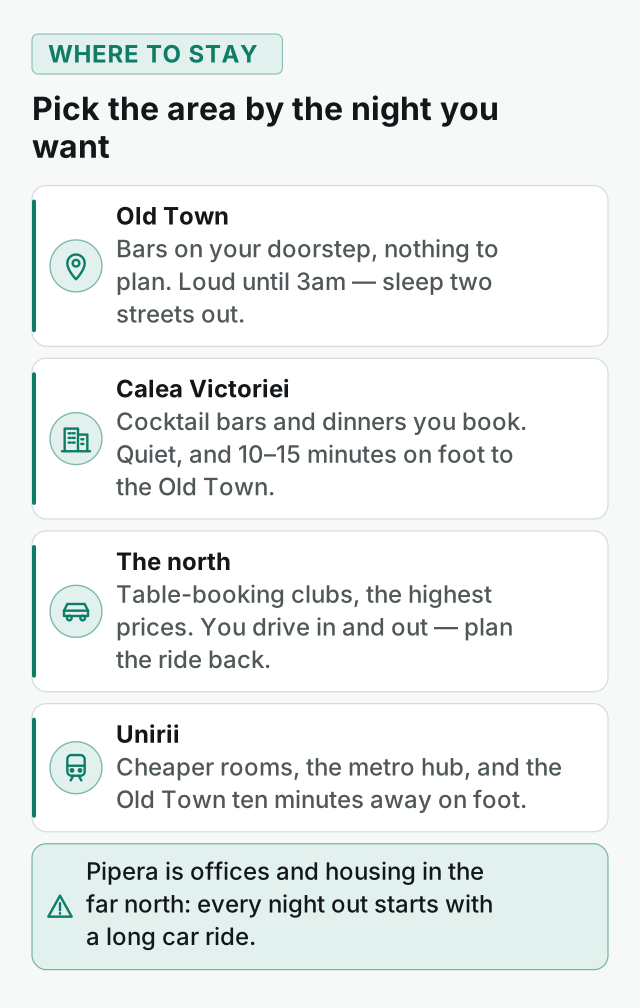
The Old Town (Centrul Vechi) has the highest concentration of bars in the city: pubs, cocktail bars, craft beer places and small clubs packed into a few streets around Lipscani, Smârdan and Șelari. Everything is a couple of minutes apart on foot, which is both the appeal and the problem: at weekends, between midnight and three, the streets are full.
It is the right area if you want to plan nothing and move from door to door, and it is where most groups and stag parties who come to Bucharest end up. It is the wrong one if you want a conversation without raising your voice. On weeknights the balance flips, and the same places are pleasantly half-empty.
Check the menu before you order in the bars right on the busiest corners; they live off people who won't be back. A street or two further in, the same drink usually costs less.
Where to sleep: a room in the middle of the Old Town means hearing the music until three. Two streets out is a different night.
Calea Victoriei: cocktail bars and calmer nights
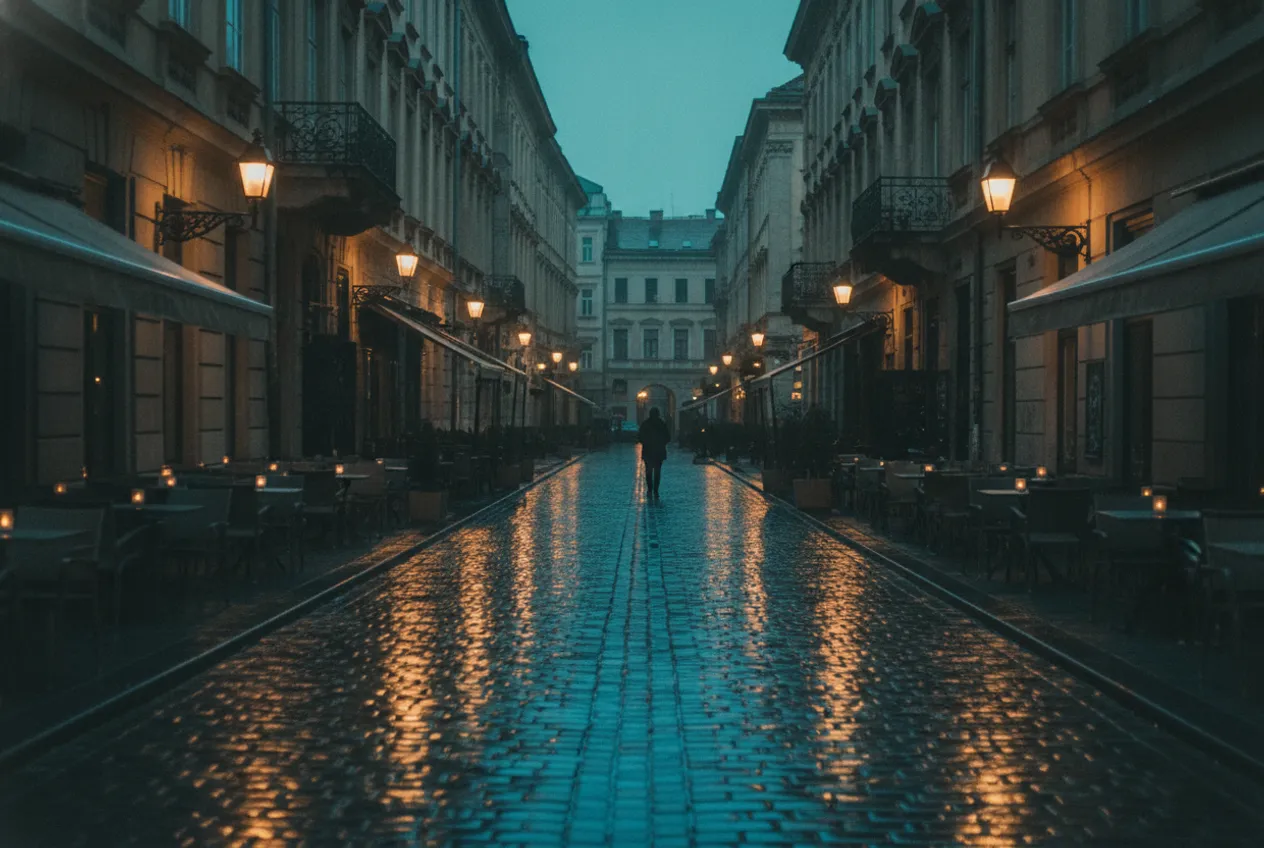
The avenue between Piața Victoriei and the Old Town has the large hotels, cocktail bars, a few hotel rooftop bars and the restaurants that expect a reservation. Prices are well above the Old Town, the crowd is older, and with a table booked you walk past the queue.
Stay on this stretch and both the Old Town and Piața Victoriei are a ten-to-fifteen-minute walk away, with no car needed at night. For a short stay it is the quietest compromise in the centre.
The north: Herăstrău, Floreasca, Dorobanți, Aviatorilor, Pipera
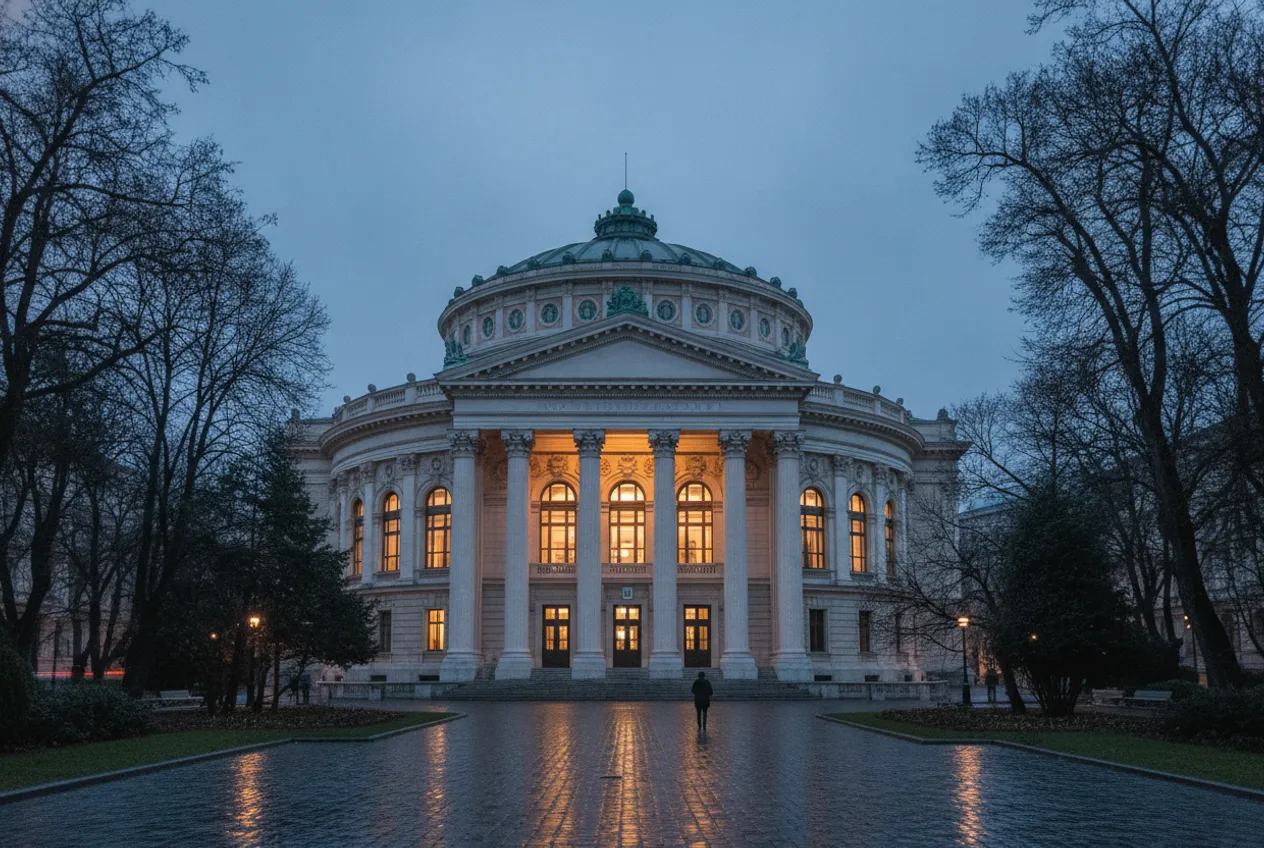
The north is the expensive residential side of the city, with restaurants and clubs around Herăstrău Park and along Dorobanți, Floreasca and Aviatorilor. Distances are long and people drive; this is not an area you wander through. The tone is more polished than in the Old Town, and so is the bill.
This is where the clubs that work on table bookings are. If a club in the north is your big night, book the table in advance and plan the ride back before you leave.
Pipera is further north again and is mostly offices and housing. A room there can look convenient, but every night out starts with a long ride to the Old Town, so check the distance before you book a weekend there.
Unirii and south
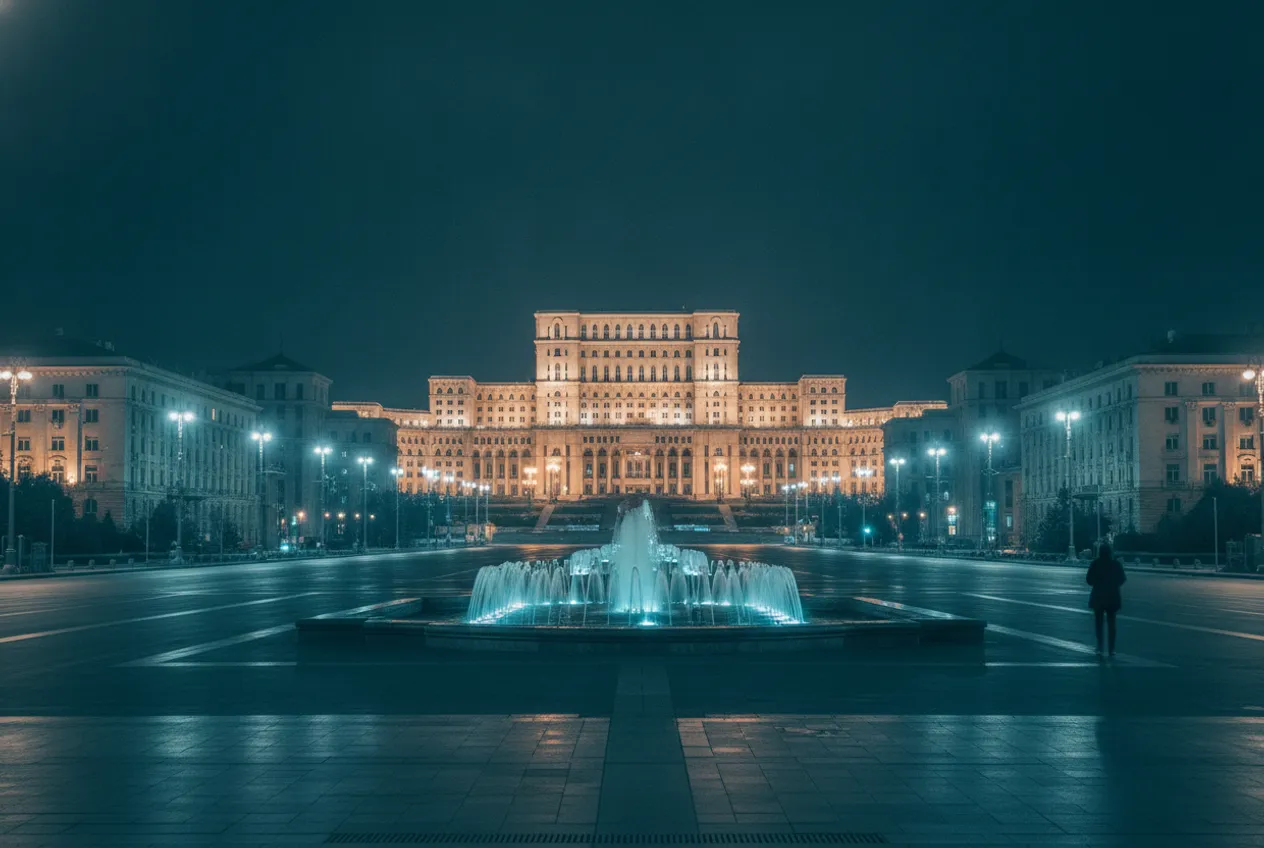
Piața Unirii is the transport hub: metro, buses and plenty of cars. It is not a destination in itself, but the point from which you reach anywhere quickly. The Palace of the Parliament is about fifteen minutes west on foot, if you want one landmark in daylight before the night starts.
For cheaper accommodation with good connections it is the best compromise in the city, and the Old Town is about ten minutes away on foot.
Money: lei, not euros
Romania is in the EU but doesn't use the euro. You pay in lei (RON). Paying in euros, where it is accepted at all, gets you a poor rate.
Cards work almost everywhere — bars, restaurants, app taxis — so you need little cash. When an ATM or a card terminal offers to charge you in your home currency, decline and choose lei; the machine's own conversion is almost always the worse deal.
The UK Foreign Office notes that cards have been copied in some bars and restaurants. Keep your card in sight when you pay, and take one with a low daily limit on a night out.
Drink prices are noticeably lower than in London or Dublin, whether it is a pint of Romanian beer or a cocktail. The bigger differences are inside the city, between bars and clubs on the busiest Old Town streets and everywhere else.
Getting around after midnight
The metro runs from about 5am until around 11pm. Times can change during engineering works and on public holidays, so check metrorex.ro before you count on a late train.
After that it is night buses or a car. Order cars through an app rather than hailing them: the UK Foreign Office says taxi drivers sometimes overcharge foreign visitors and calls Uber and Bolt generally reliable. With an app, the price is fixed and the trip is recorded.
Inside the Old Town you need no transport at all: it is about ten minutes on foot from one end to the other.
When the night starts
Bucharest goes out late. Dinner at nine or ten is normal, and bars fill up from around eleven. The Old Town is at its busiest between midnight and three at weekends, and the clubs in the north rarely get going before midnight.
If you want a table for dinner or a seat on a terrace, arrive before ten at weekends. If you want to dance, there is no point reaching a club at ten — you will have the room to yourself.
Thursday is a good compromise: most places are open and lively, without the weekend crush. Sunday and Monday are quiet across the city.
Plan the ride home at the start of the evening, not the end: the last metro leaves long before the night is over.
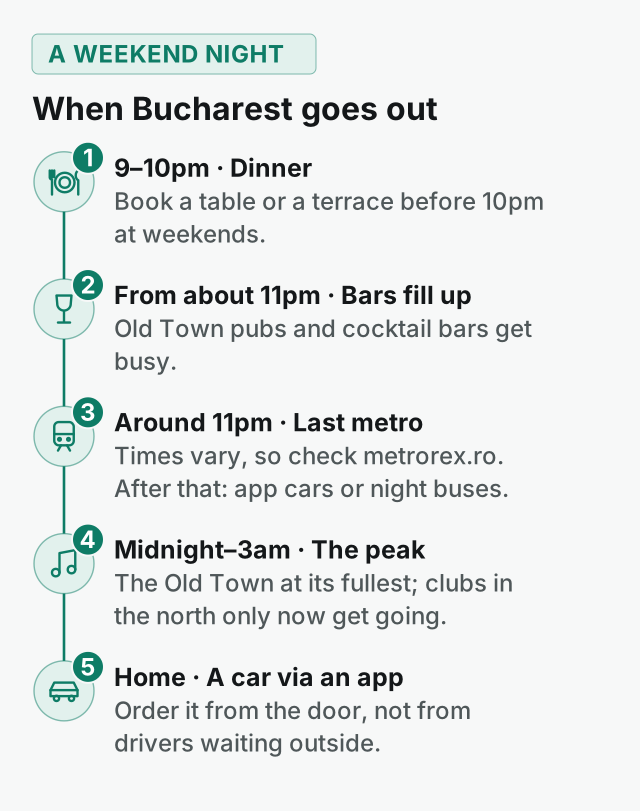
Where you sleep decides, in practice, what your evening looks like.
If you only have one night in Bucharest
Start with dinner on or near Calea Victoriei around nine — Romanian food or anything else, booked in advance at the weekend. Afterwards, a cocktail bar or a hotel rooftop bar on the same avenue while the city is still warming up.
Around eleven, walk ten minutes down to the Old Town and let the evening decide itself: a pub or two around Lipscani, then whichever bar or club has the music you like. Nothing needs booking and you never need a car.
If you would rather have the big club night, swap the Old Town for a table at a club in the north, booked in advance, and order the car home from the door.
Clubs in Bucharest: what they are like and what plays
Broadly, there are three kinds of club, and they barely overlap. The Old Town runs on bars and small clubs playing mainstream and Romanian pop; entry is usually free and the crowd young and international. The north has the table-booking clubs: more polished, more selective at the door and considerably more expensive.
Between the two is a smaller but serious electronic scene in converted industrial halls and courtyards, which starts late and draws its own crowd. For techno or house, that is where to look, not on Lipscani.
Entry prices and dress code
On weeknights entry in the Old Town is almost always free. At weekends the larger clubs charge, or work on tables with a minimum spend; in the north, booking a table in advance is the rule rather than the exception. Before you agree, ask what the minimum spend covers and for how many people.
Strict dress codes are rare but real: at the northern clubs and the smarter places on Calea Victoriei, trainers and shorts can keep you outside at the weekend. In the Old Town nobody minds.
Beyond clubs: live music, terraces and late dinners
Bucharest has a busy concert calendar that moves outdoors in summer. Big names play the arenas and stadiums on the edge of the city; smaller acts play live music venues in the centre and converted factories. If your dates are flexible, check the calendar first: on a big concert or festival weekend, rooms cost more and the city is noticeably fuller.
The restaurant scene is better than the city's reputation and still good value by European standards; a long dinner can be the whole evening rather than the warm-up. In summer, add terraces, garden bars, open-air cinema and parks that stay busy late — you can skip clubs entirely and still have a full night.
Is Bucharest nightlife safe?
Compared with most western European capitals, Bucharest is calm at night. Violence against visitors is rare, and the central streets stay busy late.
What does happen, according to the UK Foreign Office, is petty theft in large towns, especially Bucharest, with thieves using distraction and sometimes working in groups. It also warns of drink spiking in bars and clubs: don't accept drinks from strangers and don't leave yours unattended. In the weekend crush, keep your phone and wallet in a front pocket.
Bucharest is also in an earthquake zone, and many Old Town bars are in old buildings and basements. In a packed venue, it takes ten seconds to notice where the exits are.
Nightlife tips: what to avoid
First, cars that find you rather than the other way round: in the street, outside clubs at closing time or in the airport arrivals hall. With them you find out the price at the end of the ride; with an app you see it before you get in.
Then there's the friendly stranger with a bar in mind. Someone suggests a place nearby, walks you there, and the bill at the end is absurd. The rule is simple: you choose the place, not the person walking you to it, and you ask to see the prices before you sit down.
Be wary, too, of street offers of free entry or ‘the best club in town’. A good bar doesn't need someone on the pavement to fill it.
And the cash machine that offers to charge you in your home currency. Always choose lei.
What languages are spoken
Romanian is a Romance language: if you read Italian, Spanish or French you will follow signs and menus surprisingly well, spoken Romanian much less so.
In the centre — hotels, bars, restaurants, younger people — English is enough. Outside the centre and with older people it thins out quickly.
When the city changes
From May to September everything moves outdoors: terraces, courtyards, rooftop bars, open-air concerts. It is the most pleasant time to visit and also the most expensive.
In winter life moves back inside, though the Old Town stays busy all year. Between Christmas and New Year the city empties noticeably: many locals leave, and some places close for a few days.